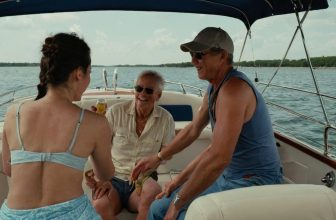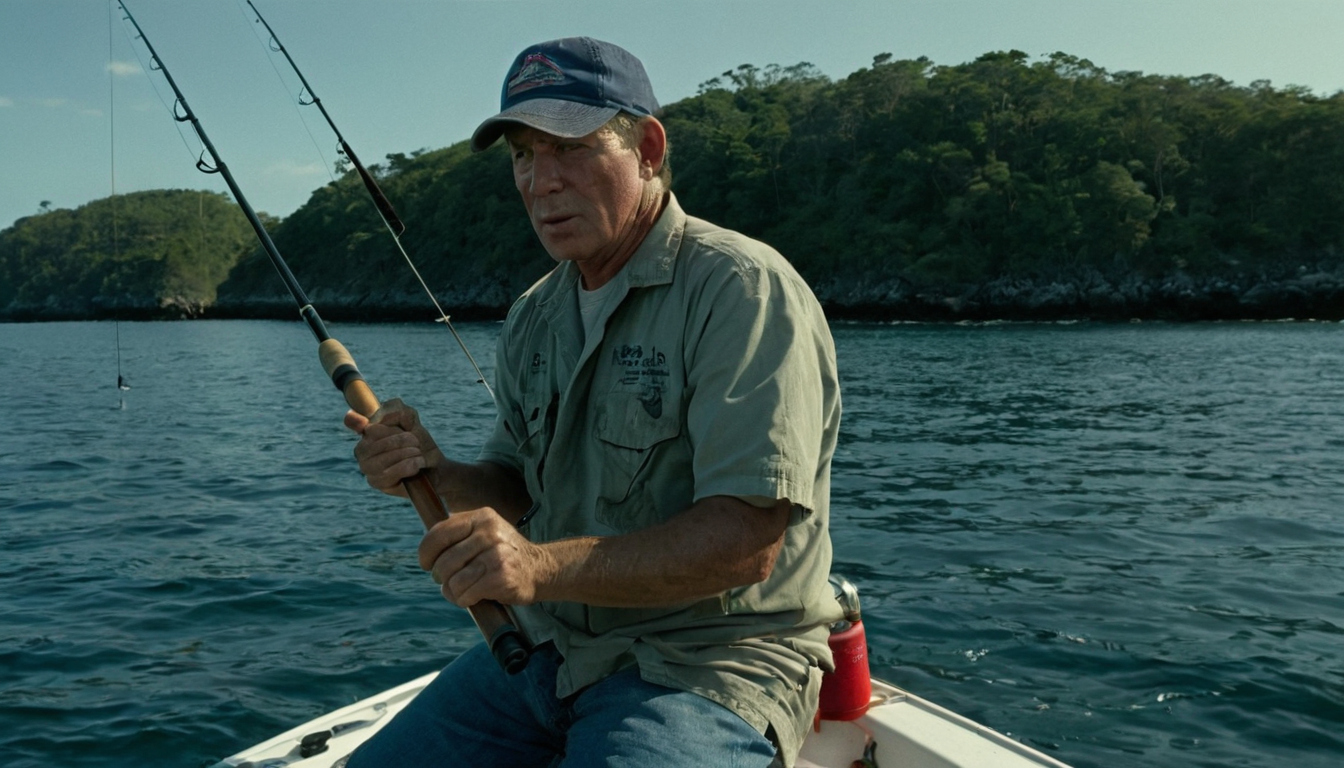
Does a longer deep-sea fishing charter always deliver more fishing? Not necessarily. A slow harbor exit, offshore travel, changing conditions, and relocation can turn a promising trip length into fewer usable fishing minutes than your group expected.
Which deep-sea fishing charter length fits your group?
Choose a deep-sea fishing charter by usable fishing time, group comfort, total cost, and access to suitable grounds, not by the advertised duration alone.
- Half-day: Usually the best fit for beginners, families, uncertain sailors, and budget-conscious groups. Physical demand and relative cost are lower, but offshore reach may be limited by a slow harbor exit or long run to productive water.
- Full-day: Better for anglers who can tolerate a longer boat day and want more range, relocation options, or fishing periods. The main tradeoff is a higher group cost and greater exposure to sun, waves, fatigue, and seasickness.
- Extended or overnight: Designed for experienced groups pursuing distant grounds or specialized fishing plans. These trips carry the highest cost and physical demand, and vessel features become as important as fishing range.
Charter labels are not standardized. One operator may sell a “half-day” trip that another describes by exact dock-to-dock hours. Private charters may price the whole boat, while shared fishing charters may sell individual seats. Before comparing options, confirm the departure and return times, passenger limit, pricing basis, vessel type, current-season target species, and estimated run from the dock to the planned grounds.
This guide concerns crewed fishing trips. Groups deciding between vessel responsibility and an operator-led outing should first compare a captained charter rather than a bareboat rental.
Who should choose a half-day deep-sea fishing charter?
A half-day trip suits families, first-time anglers, mixed-interest groups, and guests who do not know how they will respond to offshore motion. It also limits the commitment for children, older adults, and anyone uncomfortable spending most of a day without easy access to shore.
A short trip loses value when harbor transit consumes a large share of the schedule. A boat may need to idle through a no-wake zone, follow a winding channel, clear an inlet, or travel well offshore before lines enter the water. NOAA’s recreational boating resources explain that U.S. Chart No. 1 defines the symbols, abbreviations, and terms used on nautical charts. The United States Coast Pilot supplements charts with channel and wharf descriptions, sailing directions, and weather or ice information for covered waterways.
NOAA also provides Custom Chart tools that allow boaters to select chart scale, paper size, and center position for a paper or digital backup. NOAA BookletCharts reproduce full-scale chart information in a reduced, multipage format, are printable at home, and are updated weekly. Charter guests do not need to interpret the captain’s route, but these resources illustrate why channel layout and harbor access can give two nominally identical trips very different offshore ranges.
Choose a half-day only after checking:
- How long the captain expects to travel before fishing begins
- Whether the trip is private per boat or shared per passenger
- The operator’s minimum age, supervision rules, and passenger limit
- Whether shade, seating, a toilet, and stable handholds are available
- Which species are realistically accessible from that harbor in that season
What does a full-day fishing charter add?
A full-day charter adds operational flexibility rather than simply doubling the catch opportunity. The captain may have time to reach farther grounds, try a second area, change tactics, wait through a slow period, or relocate after conditions change. That flexibility can matter when a target species is seasonal or concentrated beyond nearshore water.
A full day generally fits committed beginners, returning anglers, and private groups whose members share similar expectations. It is less suitable when several guests are reluctant participants or need frequent access to climate-controlled space. Confirm shaded seating, toilet arrangements, food and cooler rules, boarding steps, and expected sea conditions before accepting the added physical demand.
The longer schedule and greater potential range do not guarantee fish. Weather, currents, legal seasons, fish movement, equipment problems, and angler participation can all affect the result. The useful question is whether the extra time gives the captain worthwhile options for the chosen harbor, season, and species.
When is an extended or overnight fishing trip worth it?
An extended or overnight trip is worth considering when distant grounds, specialized techniques, or a specific legal season require more range than a standard day provides. Experienced anglers may also value multiple fishing periods and the ability to remain offshore instead of returning after one attempt.
Extended-trip planning should include more than the fishing plan. Ask about bunks or resting space, meal arrangements, drinking water, toilets, shade, refrigeration, fish storage, charging access, and the narrowest boarding step. Confirm fuel surcharges, weather changes, deposit treatment, early-return policies, and what happens if the captain substitutes closer grounds.
The final choice should match the least-comfortable guest, not the most enthusiastic angler. Before paying for more hours, calculate how many hours remain after check-in, harbor transit, offshore travel, relocation, and the return run.
Advertised charter length is not the same as meaningful fishing time
Safety preparation, harbor transit, the offshore run, relocation, and the return trip all reduce active fishing time. The difference matters most when productive grounds are distant, harbor speed restrictions delay departure, or seasonal fish require searching.
How much of a deep-sea fishing trip is spent actively fishing?
Calculate usable fishing time by subtracting every nonfishing stage from the advertised duration. Before booking, confirm whether the trip clock starts at check-in, when passengers board, or when the boat leaves the dock. Operators may define the starting point differently.
A hypothetical charter clock might look like this:
- Check-in: Example variable A covers waivers, payment, and gear assignment.
- Safety briefing and setup: Example variable B covers life-jacket instructions, tackle, and bait.
- Harbor transit: Example variable C includes a slow channel or no-wake zone.
- Offshore transit: Example variable D covers the run from open water to the first fishing area.
- Active fishing: The remaining window includes time with lines in the water.
- Relocation: Example variable E covers moving after a quiet bite or changing conditions.
- Return: Example variable F covers the full run back to the dock.
Ask whether trolling during transit counts as fishing. Trolling means pulling bait or lures behind a moving boat. Some operators include that period as active fishing, while others use the phrase for time stopped over a reef, wreck, or other target area. Weather, currents, fish movement, and safety decisions can change every estimate.
Advertised charter length is not the same as meaningful fishing time shown with practical context cues.
Harbor location can change the value of the same charter length
A boat near an open inlet may reach offshore water sooner than a boat behind a long channel, bridge, or restricted-speed area. Seasonal fishing grounds can also shift, so request the operator’s realistic dock-to-first-fishing-area range for your month rather than relying on a generic annual estimate.
Once usable fishing time is clear, compare value using the complete group price, not duration alone.
What does a deep-sea fishing charter really cost?
Deep-sea fishing costs become comparable only after calculating the all-in group total and cost per angler. Include whether the headline rate covers the vessel or each passenger, then add required fees, trip-day expenses, gratuity, and any deposit at risk under the cancellation policy.
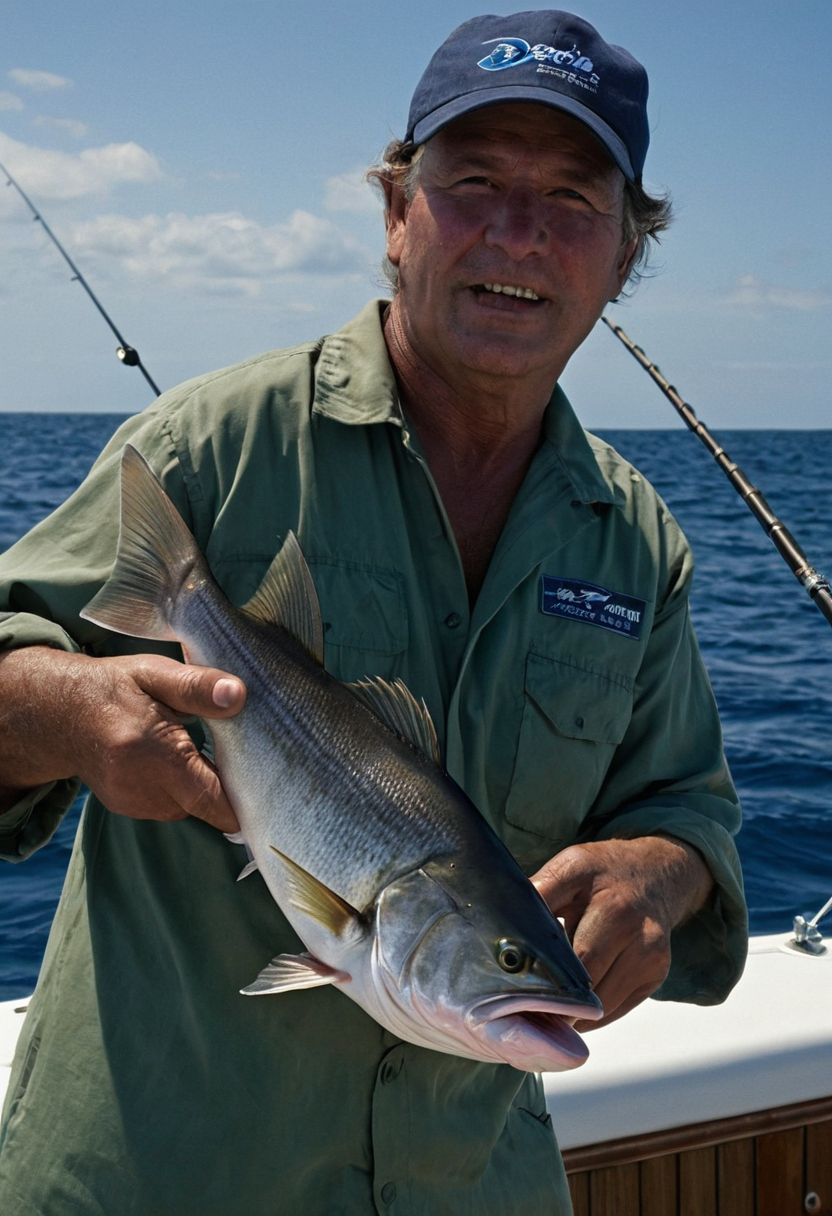
What does a deep-sea fishing charter really cost shown with practical context cues.
Are fishing charter prices per person or per boat?
Private fishing charters commonly quote one base price for the boat, subject to a passenger cap. A larger group can reduce the per-angler cost, but an operator may charge for guests above the number included in the base rate. Confirm the vessel maximum, included passenger count, and extra-guest charge in writing.
Shared boats, sometimes called party boats or head boats, generally sell individual seats. The useful calculation is the seat price multiplied by the group size, including required equipment or service charges. Some departures also depend on a minimum number of booked passengers, so ask what happens if that threshold is not met.
Which extra charges belong in the fishing-trip budget?
Use these calculations with the operator’s current written quote:
All-in group cost = base fare + extra-passenger charges + mandatory fees + trip-day expenses + planned gratuity + cancellation exposure.
Per-angler cost = all-in group cost divided by the number of paying guests.
- Mandatory: Applicable taxes, fuel surcharges, licenses not included by the operator, required bait or tackle charges, and disclosed booking or card fees
- Conditional: Parking, equipment rental, fish cleaning, filleting, ice, packaging, and cooler storage
- Discretionary: Food, drinks, personal tackle, and crew gratuity based on the operator’s guidance and service received
- Booking exposure: The deposit, cancellation deadline, no-show penalty, rescheduling rules, and treatment of captain-cancelled or shortened trips
Marine conditions can affect financial risk. NOAA’s nowCOAST portal provides observations, forecasts, imagery, and mapped environmental layers for U.S. regions, with information refreshed regularly throughout the day. The operator’s written weather policy, however, determines whether a changed trip produces a refund, credit, rescheduled departure, or modified itinerary.
After calculating the cost, compare what each trip can legally target, what passengers may keep, and how the crew handles the catch.
Trip length affects target species, legal catch, and fish handling
Trip length affects which fishing grounds and species are realistically reachable, but no duration guarantees a catch. Match the destination, month, current rules, vessel range, weather, and captain’s technique while accounting for licenses, retention limits, catch allocation, and fish-cleaning arrangements.
Target species must be matched to the harbor, season, and trip range
A longer charter usually gives the captain more time to reach distant reefs, wrecks, ledges, or open-water trolling grounds. That extra range can expand the list of possible targets, but harbor access still matters. A slow channel, inlet conditions, current, or long run to offshore structure can consume much of the added time.
Descriptions such as “reef fishing,” “bottom fishing,” or “offshore trolling” identify techniques and habitat rather than a guaranteed catch. Ask which species the operator expects to pursue during your month, how far those grounds are from the dock, and what alternative plan the captain uses if weather or fish movement makes the original destination impractical.
The responsible fisheries agency for the destination may regulate open seasons, fish sizes, daily bag limits, possession limits, tagging, protected species, and emergency closures. Regulations can change after a charter is booked, so confirm the rules again near departure. Visitors should also ask whether the vessel’s charter license covers passengers or whether each angler needs an individual license.
Who keeps the catch on a charter fishing trip?
Legal retention does not automatically mean every angler takes home the fish caught on their line. Private fishing charters may assign fish to the angler, divide the legal catch among the group, reserve certain fish for release, or follow a crew-share policy. Shared boats may pool catch differently because unrelated passengers are fishing together.
Confirm the operator’s written policy on:
- How retained fish are divided among passengers
- Whether catch-and-release is required or encouraged for certain species
- Whether cleaning, filleting, or bagging is included or charged separately
- Where cleaned fish can be chilled until departure
- What passengers need for lawful possession and transport
Fish-cleaning service may end at the dock rather than include ice, insulated storage, freezing, or shipment. Guests who plan to cook their catch should know where it will be cleaned and how the fillets will stay cold on the trip back to their lodging.
Once the catch and handling plan make sense, decide whether the vessel and trip duration will work for children, older adults, first-time anglers, and disabled guests.
The best family fishing charter balances comfort, safety, and duration
For families and first-time anglers, the shortest charter is usually the lower-exposure choice, not automatically the best experience. The right fit depends on sea conditions, vessel design, shade, toilet access, minimum ages, mobility needs, and each guest’s tolerance for transit, noise, sun, waiting, and fish handling.
Which vessel features matter for children, older adults, and disabled guests?
Ask about the boarding step or gangway, handholds, rail height, nonslip deck space, shaded or enclosed seating, toilet location, and life-jacket availability. Families should also verify minimum ages and adult-supervision rules.
Accessibility depends on the actual dock and boat, not a general statement that accommodations are available. Describe each guest’s mobility needs and ask whether wheelchairs can cross the gangway, where mobility equipment can be secured, and whether the guest can safely reach seating and the toilet. Request accommodations before paying a deposit.
How should first-time anglers plan for seasickness and fatigue?
Longer offshore exposure can increase fatigue even aboard a comfortable boat. First-time anglers should follow the operator’s packing rules and bring permitted water, simple food, layered clothing, sun protection, and required personal medication. Anyone considering motion-sickness medicine should consult a clinician or pharmacist about timing, drowsiness, medical conditions, and interactions rather than relying on crew advice.
Weather decisions can shorten, move, or cancel a fishing charter
Marine wind, waves, currents, and inlet conditions matter more than a general weather-app icon. The captain may remain closer to shore, change the target area, return early, or cancel when local conditions make the planned route unsuitable.
NOAA Electronic Navigational Charts use vector data to support real-time vessel positioning and collision and grounding avoidance. Navigational information helps a captain manage the route, but it does not make rough conditions comfortable for passengers.
Ask how the operator handles captain-cancelled trips, modified routes, and early returns, including whether deposits are refunded, credited, or applied to a rescheduled trip.
What should you confirm before booking a deep-sea fishing charter?
Book only after the operator confirms the trip-specific details in writing. Verify the dock-to-dock duration, likely travel time, passenger limit, inclusions, catch handling, weather process, refund terms, accessibility limits, and alternatives if fishing conditions change.
Which questions should you ask a fishing charter operator?
- Ask when check-in begins, when the trip clock starts and ends, and how much travel time is likely for that date and harbor.
- Confirm target species, current fishing rules, required licenses, included tackle and bait, food and drink policies, toilet availability, and passenger limits.
- Ask who keeps the catch, whether fish cleaning, packaging, ice, and gratuity cost extra, and how fish are divided on a shared boat.
- Request written confirmation of the total price, deposit, added fees, cancellation policy, weather process, and treatment of shortened trips.
- Disclose children, first-time passengers, mobility limitations, medical concerns, and boarding needs before paying.
Private-charter customers should confirm the boat price and extra-passenger rules. Shared-boat customers should confirm the per-seat price, minimum departure load, fishing-space arrangements, and catch-sharing policy.
For U.S. trips, NOAA Current Predictions covers more than 2,700 tidal-current stations nationwide. NOAA Tide Predictions provides daily high- and low-tide predictions for more than 3,000 locations, with predictions available as much as two years ahead. The captain should still explain how currents, tides, and local inlet conditions could affect the planned departure or range.
Which charter length is the best final choice for your group?
- Half-day: Usually suits families, beginners, tighter budgets, and passengers testing their comfort offshore.
- Full-day: Often fits mixed-experience groups seeking more fishing time and offshore range without an overnight commitment.
- Extended trip: Best reserved for dedicated anglers or specialized fishing plans that require greater range, stamina, schedule flexibility, and budget.
- Shared boat: May cost less for one or two anglers, while a private charter can offer better group control when several passengers split the boat price.
Frequently asked questions
How long is a typical deep-sea fishing trip?
There is no standardized duration. Operators may offer shorter, full-day, extended, or overnight trips, but the advertised label matters less than the exact dock-to-dock schedule and expected travel time to the fishing grounds.
Are deep-sea fishing charter prices charged per person or per boat?
Private charters generally price the boat up to a stated passenger limit, while shared boats generally sell seats. Ask what the base price includes, whether extra passengers cost more, and which fees remain outside the quote.
How much should you tip the crew for a four-hour fishing charter?
No universal gratuity percentage applies to every charter. Check the operator’s written guidance, determine whether a service charge is already included, and base any discretionary gratuity on the service received.
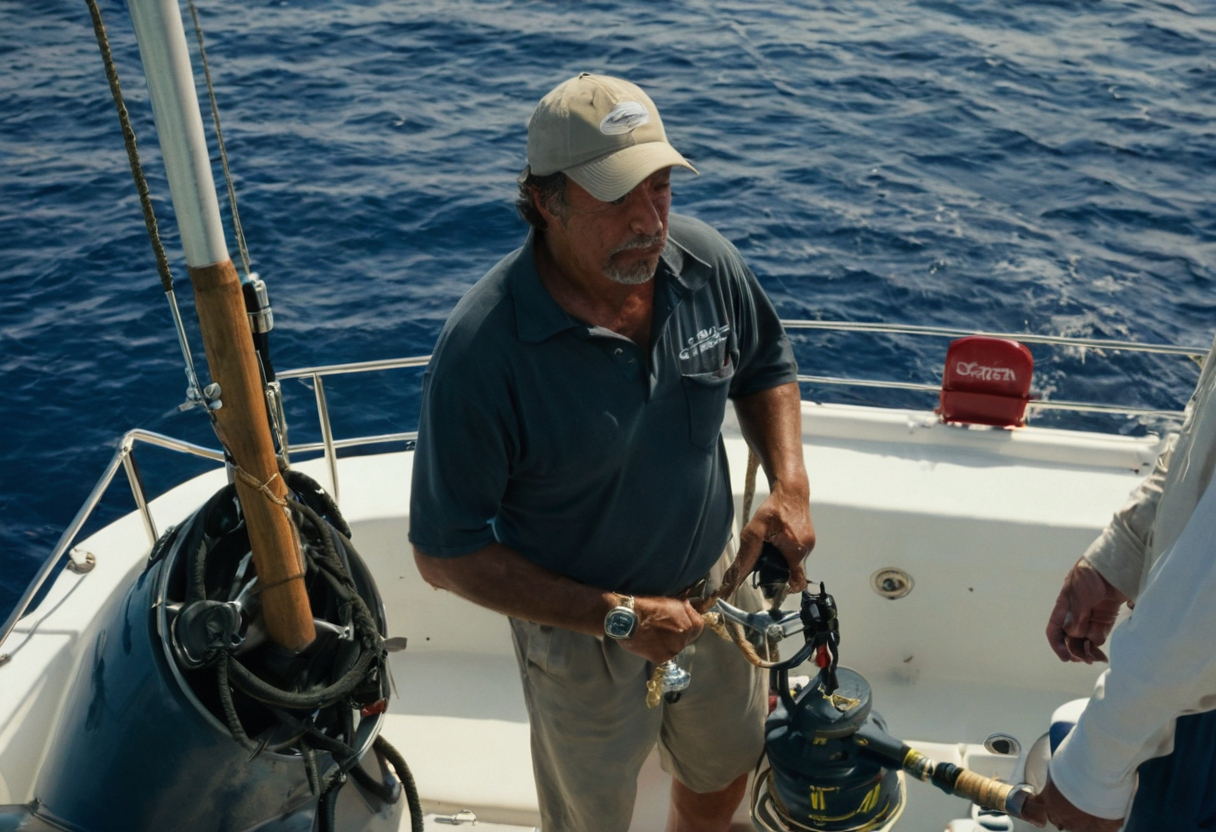
What should you confirm before booking a deep-sea fishing charter shown as an editorial planning reference.
Is a half-day or full-day fishing charter better for first-time anglers and families?
A half-day usually limits cost, fatigue, and seasickness exposure. A full day can offer more range and relocation time, but it works best when every guest is comfortable with the longer physical commitment.
Does a longer deep-sea fishing trip increase the chance of catching fish?
A longer trip can provide more range, active fishing time, and alternatives if one area is unproductive. It cannot guarantee a catch because weather, fish movement, legal restrictions, equipment, and sea conditions still affect the outcome.
Compare usable fishing time and total group cost, then verify current operator policies and fishery rules before paying the deposit. The best trip is the one your entire group can afford, tolerate, and enjoy from the first boarding step to the return dock.