Before paying a boat deposit, compare five responsibility buckets: who operates the vessel, who pays for fuel, who carries damage exposure, who makes weather calls, and who must satisfy local licensing rules.
Is a bareboat rental or captained charter better for your boat day?
A bareboat rental fits experienced boaters who want route control and accept operation, fuel, damage, and guest-safety duties. A captained charter fits visitors, parties, unfamiliar waterways, and higher-value yacht rental days where local navigation, docking, and weather judgment matter.
| Booking choice | Best fit | Main responsibility | What to verify |
|---|---|---|---|
| Bareboat rental | Experienced operators on familiar water | The renter operates the boat | License, deposit, fuel, damage, route limits |
| Pontoon boat rental | Families and casual groups on calm water | The renter handles docking and timing | Capacity, age rules, horsepower, marina rules |
| Yacht rental | Sightseeing, sunset cruises, and events | Control depends on bareboat or crewed terms | Captain, insurance, gratuity, fuel, cancellation |
| Luxury boat charter | Celebrations, corporate groups, full-day plans | The operator usually manages navigation | Captain credentials, guest rules, route authority |
Choose a bareboat rental when the renter can legally and safely operate the boat
Local rules can decide the choice before price does. Minnesota requires some adults and youth operating motorboats, including personal watercraft, to hold a valid watercraft operator’s permit under a law effective July 1, 2025; Minnesota also allows an unpermitted operator only with a qualifying accompanying operator onboard who is within immediate reach of the controls and properly credentialed or exempt, according to the Minnesota Department of Natural Resources.
Choose a captained charter when guests value convenience, safety, and local routing
Visitor groups should lean captained when the route includes sandbars, bridges, tides, locks, marina traffic, waterfront restaurants, or party guests. Illinois shows why destination rules matter: boating safety education requirements vary by operator age, horsepower, and birthdate, and no person under 10 years old may operate a motorboat, including personal watercraft, under Illinois Department of Natural Resources guidance.
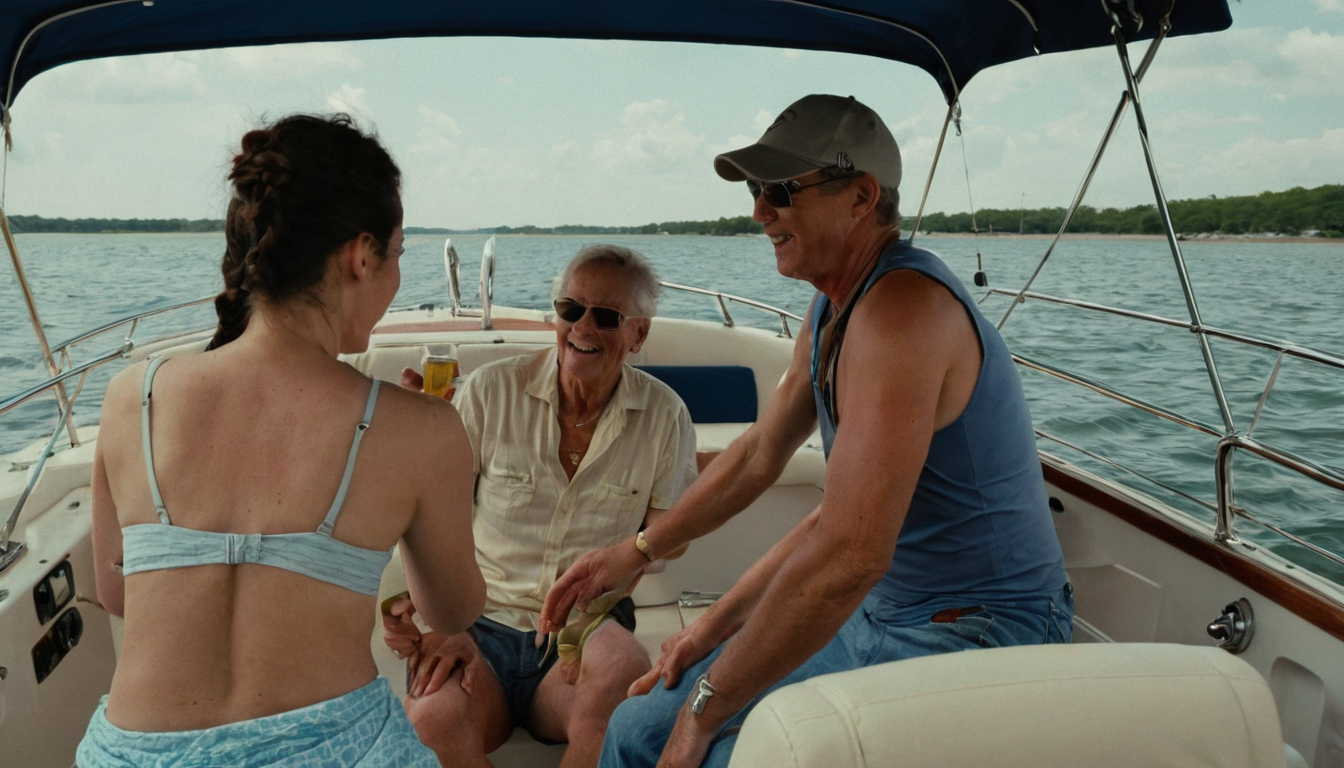
Is a bareboat rental or captained charter better for your boat day shown with practical context cues.
What responsibilities does the renter accept with a bareboat rental?
With a bareboat rental, the renter normally accepts operational control during the rental period, subject to the contract and local law.
A bareboat renter should read the contract like an operator, not a passenger
A bareboat rental agreement usually decides who is responsible if the boat hits a dock, runs aground, damages a propeller, needs towing, returns late, enters a restricted zone, or comes back with missing equipment.
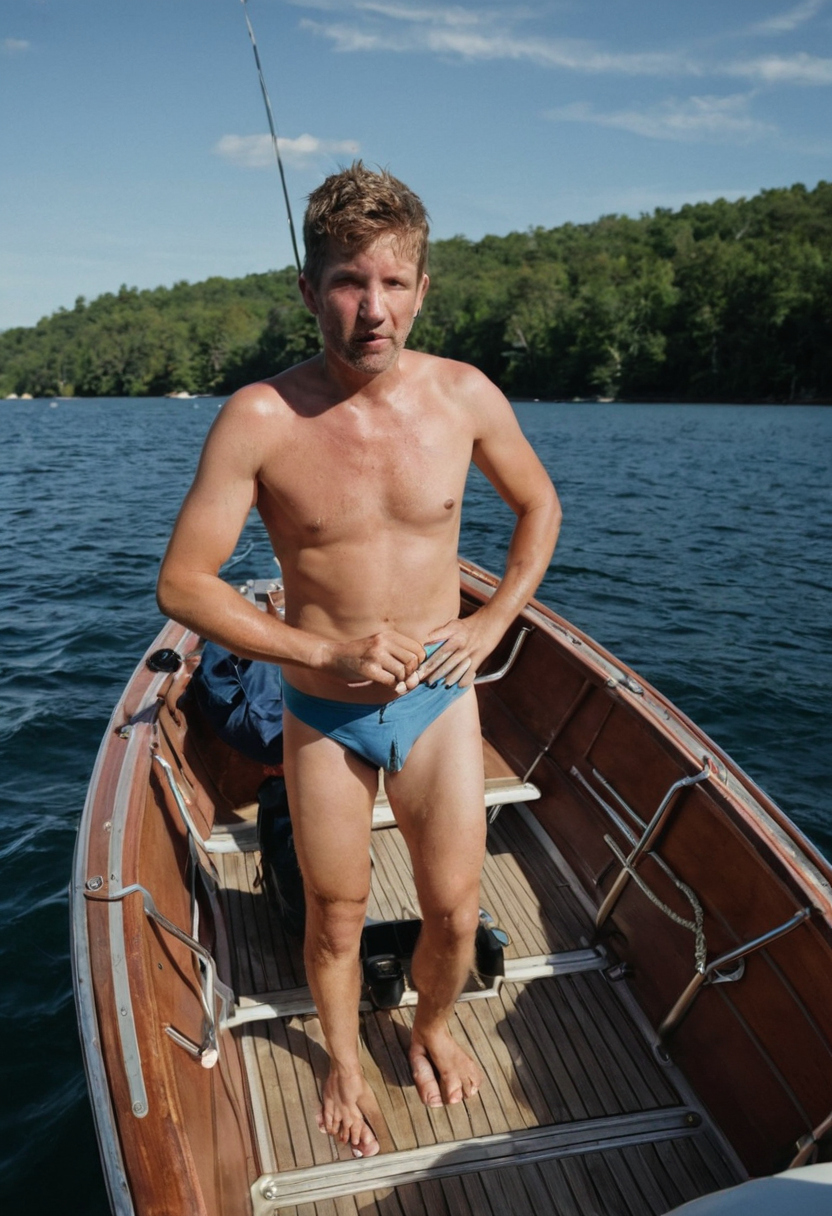
What responsibilities does the renter accept with a bareboat rental shown as an editorial planning reference.
- Confirm who may operate the boat. Some contracts name one approved operator and prohibit guests from taking the helm.
- Review the checkout procedure. A safety briefing, equipment inventory, chart review, and docking demonstration can affect later damage disputes.
- Map the allowed route. Ask about no-wake zones, shallow areas, bridges, sandbars, restaurant stops, night operation, swimming areas, and anchoring limits.
- Document the boat before departure. Photos of the hull, seats, propeller, rails, ladder, and fuel gauge help separate old wear from new damage.
A captained charter shifts navigation duties but not every guest obligation
A captained charter places route judgment, docking, weather calls, and vessel handling with the captain or charter company. Guests still need to follow conduct rules, avoid damage, supervise children, respect prohibited-item policies, and board on time.
How do costs compare between bareboat rental, pontoon boat rental, yacht rental, and luxury boat charter?
The lowest advertised bareboat rental price is not always the lowest final cost. Compare the base rental, captain fee, fuel, taxes, marina fees, cleaning, gratuity, insurance, security deposit, damage waivers, overtime, and cancellation exposure for the same date, boat size, and itinerary.
Use an all-in cost table before choosing the cheaper-looking boat
| Cost item | Bareboat rental | Captained charter | Pontoon boat rental | Yacht rental or luxury boat charter |
|---|---|---|---|---|
| Base price | Often quoted without operator labor | May include or exclude captain | Often hourly or half-day | Often has a minimum block or itinerary package |
| Fuel | Renter may refuel or pay metered fuel | May be included, capped, or billed after | Confirm refuel rules | Can rise with speed, distance, and route changes |
| Labor and gratuity | No captain unless separately hired | Captain fee and tip may be separate | Usually self-drive unless stated | Crew, service, and gratuity need review |
| Risk charges | Deposit, deductible, damage, late return | Guest conduct fees and overtime | Propeller, upholstery, anchor, cleaning | Cancellation, dockage, catering, service charges |
Deposits and damage exposure can change the real budget
Security deposits and card holds matter most on self-drive bookings because the renter controls docking, anchoring, speed, route choice, and return timing. Ask whether the operator places a credit card hold, takes a refundable deposit, sells a damage waiver, or applies a deductible after insurance.
- Request an itemized quote that separates base rental, captain, crew, fuel, taxes, platform fees, cleaning, dockage, and service charges.
- Ask what damage costs are common, including propeller strikes, groundings, torn upholstery, lost anchors, clogged heads, and late returns.
- Confirm refund timing for deposits and card holds, especially if the trip falls near the end of a vacation.
- Check accessibility before paying if a guest uses a mobility device. The 2010 ADA Standards reference a 30 by 48 inch clear floor or ground space for wheelchair positioning in accessible design, which can help planners discuss boarding areas and onboard space.
Which boat type fits the route, group size, and comfort level?
The right boat type depends on where the group plans to go, how many passengers are aboard, and how much comfort they expect.
Pontoon boat rental works best on calm water and simple routes
Choose a pontoon when the route is short, sheltered, and easy to explain at the dock. Pontoons are usually strongest for lake coves, slow sightseeing loops, approved sandbar stops, and relaxed family outings where seating and shade matter more than speed.
Check the operator’s route map before booking. Some operators restrict pontoons from open bays, fast river channels, offshore water, rough inlets, low bridges, shallow sandbars, or night operation. Match the passenger list to both the posted capacity and real comfort because coolers, bags, children’s gear, mobility devices, and shade needs can shrink usable space.
Yacht rental and luxury boat charter require closer review of crew, capacity, and route limits
Choose a yacht rental or luxury boat charter when the plan depends on guest comfort, longer routing, catering, a restroom, a cabin, a galley, shade, swim access, or a captain who knows local traffic and anchoring rules.
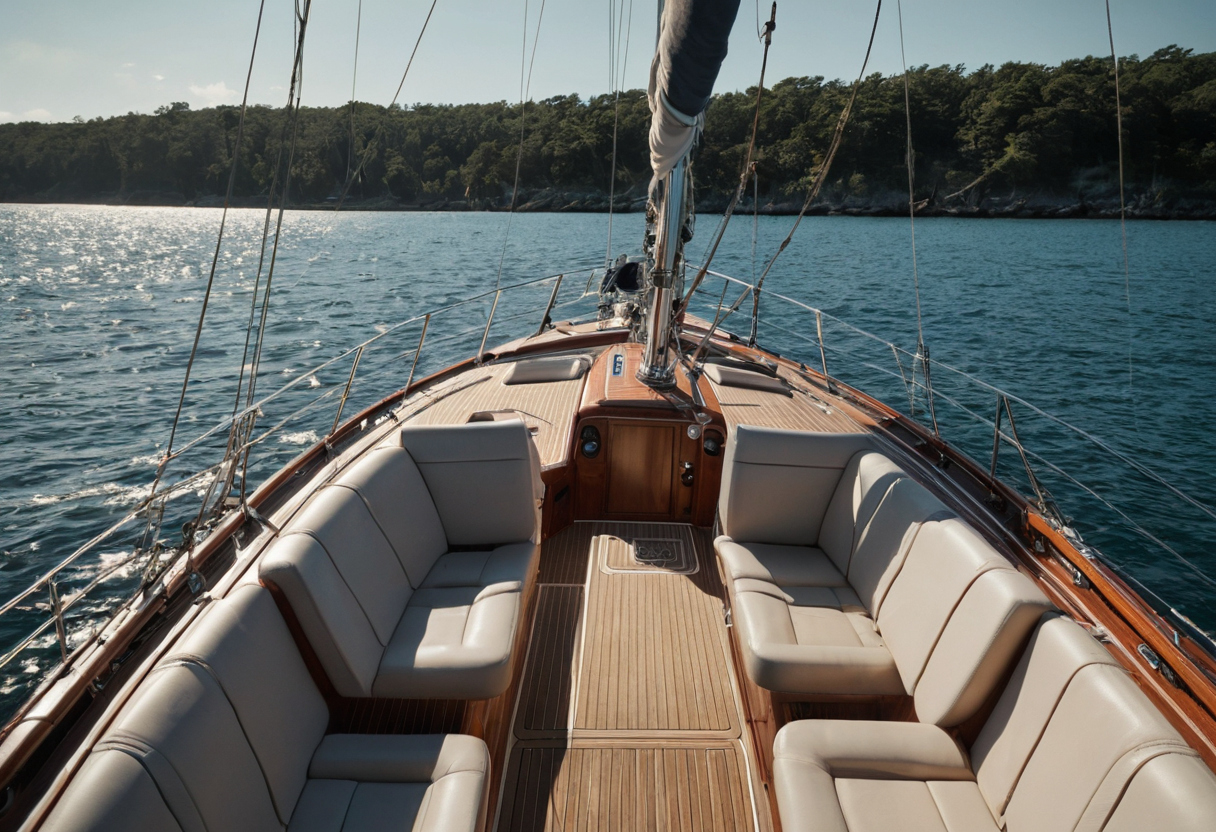
Which boat type fits the route, group size, and comfort level shown with practical context cues.
Review the vessel’s passenger limit, crew arrangement, and charter classification before comparing amenities. A larger boat may require a licensed captain, additional crew, or a different operating structure, and the operator’s capacity limit may reflect law, insurance, vessel layout, or all three.
What licensing, safety, and insurance rules should visitors verify before booking?
Visitors should verify the boating education rule, minimum operator age, required safety gear, commercial-use status, and insurance responsibility that apply to the actual renter, captain, vessel, and destination.
Ask for the license rule that applies to the renter, not just the boat owner
Destination rules apply to the person operating the boat, so ask what the renter must bring on the rental day: boating safety card, temporary certificate, photo ID, prior experience record, or checkout approval. In Minnesota, the Department of Natural Resources lists exemptions for some operators age 12 or older, including qualified maritime-license holders, temporary nonresidents meeting home-jurisdiction rules for up to 60 days, Canadian pleasure craft card holders, dealer-license operators, and emergency operators under specific conditions.
Illinois shows why visitors should not assume one rule fits every state. The Illinois Department of Natural Resources applies different rules by age, horsepower, and birthdate: operators ages 10 to 11 need direct onboard supervision for motorboats over 10 horsepower, operators ages 12 to 17 need an accepted certificate or qualifying supervision, and operators 18 or older born on or after January 1, 1998 need an accepted certificate for that operation.
Confirm who is insured if the boat is damaged or someone is injured
Insurance review should separate hull coverage, liability coverage, renter responsibility, deductible exposure, and exclusions. Before signing, ask for written answers to these points:
- Who pays if the propeller, hull, upholstery, electronics, or dock is damaged?
- Does any damage waiver reduce the renter’s cost, or does it exclude negligence, grounding, intoxication, towing, restricted zones, or unauthorized operators?
- Are children’s life jackets, navigation lights, fire extinguishers, distress signals, throwable flotation devices, and sound-producing devices onboard and inspected?
- Does night operation require extra approval, equipment, route limits, or a captained charter instead of self-drive use?
How should weather, cancellation policies, and route flexibility affect the booking?
Weather policies should affect the booking as much as price because wind, lightning, visibility, tides, current, and small-craft advisories can change or cancel a boat day.
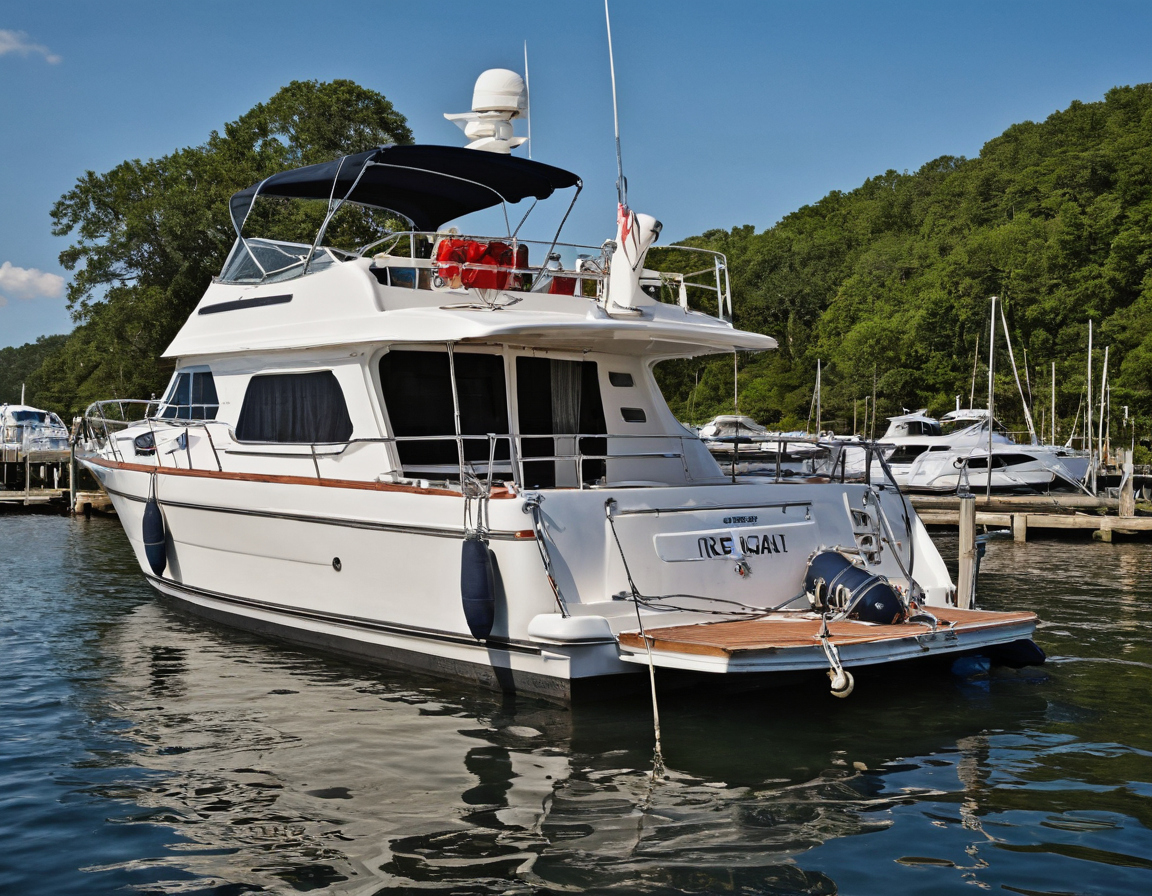
How should weather, cancellation policies, and route flexibility affect the booking shown with practical context cues.
A flexible route is useful only if the operator allows safe alternatives
Route flexibility should mean approved alternatives, not unlimited cruising. A bareboat rental may limit the renter to marked zones, no-wake channels, sandbars, swim areas, or daylight operation, while a captained charter may let the captain change the route to avoid chop, fog, bridge delays, locks, or rough inlet conditions.
The best cancellation policy names the weather trigger and refund option
A useful policy defines unsafe weather in plain terms, such as lightning nearby, high winds, poor visibility, marina closure, named storms, or a small-craft advisory. The contract should also separate customer cancellation from operator cancellation because those decisions often lead to different outcomes.
Before paying, ask if a weather call leads to a refund, credit, reschedule, delayed departure, early return credit, or forfeited deposit. Also confirm whether service fees, captain fees, fuel minimums, and platform fees are refundable.
What should you ask before paying a deposit for a bareboat rental or captained charter?
Before paying a deposit, confirm operator legitimacy, total price, license rules, passenger capacity, insurance, weather policy, fuel responsibility, route limits, boarding location, timing, and damage or delay procedures.
Use this pre-booking checklist for a self-drive bareboat rental
- Ask who may operate the boat, what boating card or permit applies, and whether checkout training is required before departure.
- Request the rental agreement, cancellation policy, insurance summary, route map, safety checklist, and itemized invoice.
- Confirm restricted areas, fuel return rules, security deposit hold, damage charges, late-return fees, emergency contact, and return procedure.
- On arrival, verify life jackets, fire extinguisher, anchor, dock lines, navigation lights, radio or phone contact, first-aid kit, and float plan.
Minnesota is a useful reminder to check local timing: the Minnesota Department of Natural Resources phases adult operator permit requirements by birthdate from 2025 through 2028 for qualifying operators.
Use this pre-booking checklist for a captained charter
- Ask whether the captain is provided by the charter operator or hired separately, and confirm captain credentials, included crew, guest capacity, fuel, gratuity, food, alcohol, pickup dock, and weather decision authority.
- For families, older travelers, mobility-limited guests, or celebrations, ask about boarding steps, shade, restroom access, seating, music rules, and safe storage for bags.
- Treat vague captain arrangements, missing capacity, unclear deposit terms, no written weather policy, or cash-only payment as red flags.
FAQ
What are the main risks of a bareboat rental for first-time visitors?
The main risks are unfamiliar waterways, docking damage, route restrictions, weather judgment, fuel responsibility, late-return fees, and unclear insurance exposure.
How far in advance should you book a boat rental or captained charter?
Book earlier for summer Saturdays, holiday weekends, spring break, and major local events. Flexible weekday travelers can often compare more options, but they should still request written terms before paying.
What is the 12-person rule on a yacht, and when does it apply?
The correct passenger limit depends on vessel documentation, inspection status, destination law, and charter structure. Ask the operator which legal capacity limit applies to the specific yacht and trip.
What is the 10% rule for yachts, and is it relevant to a day charter?
Most day-trip customers should focus on the written charter agreement, captain arrangement, capacity, insurance, and cancellation terms.
Is a captained charter worth the extra cost for a family or sightseeing boat day?
A captained charter is often worth considering for children, older travelers, visitors unfamiliar with the waterway, party guests, or routes with marina traffic, tides, bridges, sandbars, or weather exposure.