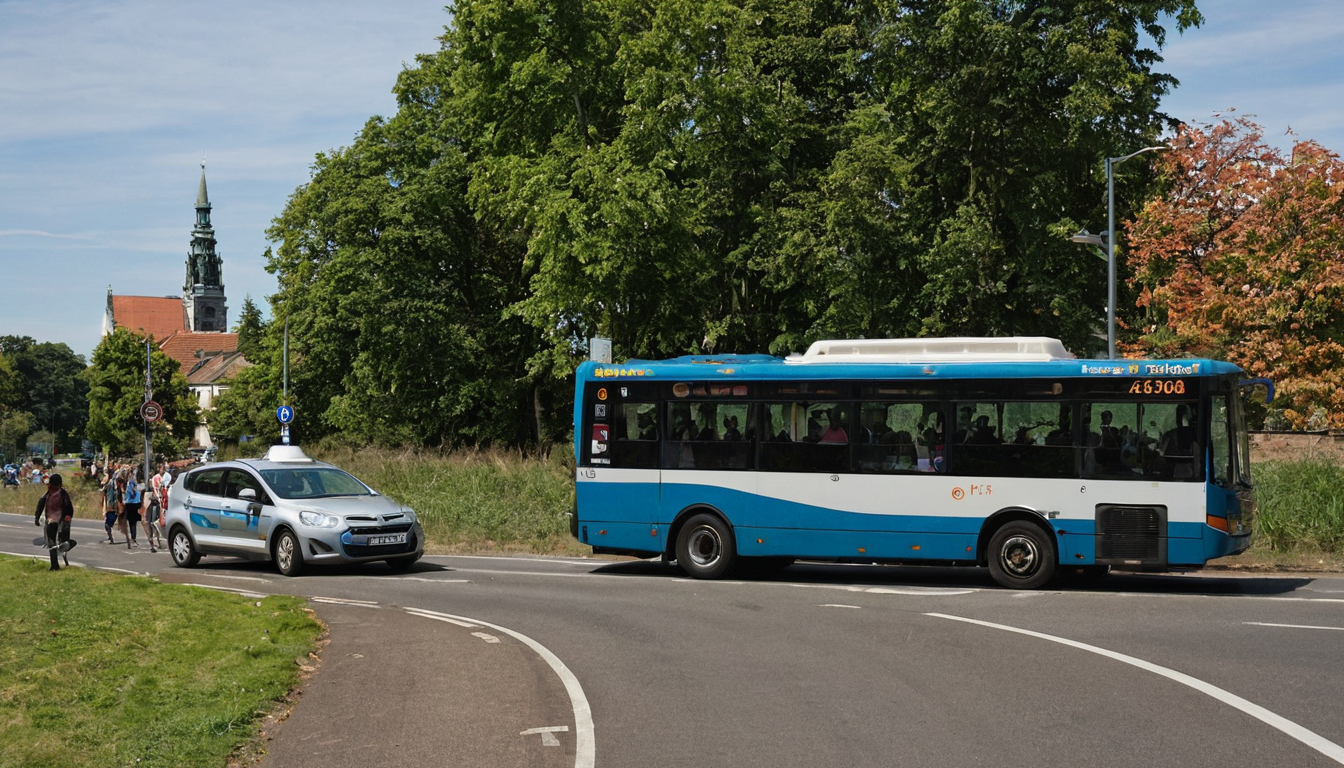
You have twenty-four hours. The map is open on the hotel desk. A hop-on hop-off bus pass and a guided walking tour both promise the city, but they sell completely different products. One trades your legs for geographic range. The other trades distance for depth. Choose the wrong format, and you could lose half your day sitting in traffic or standing at a curb waiting for a guide who already left. The cost of that mistake is not just the ticket price. It is the afternoon you never get back. See also: comparing charter trips by usable minutes on the water.
Contents
- How many usable sightseeing minutes does a hop-on hop-off bus pass actually deliver?
- How far and fast does a scheduled walking tour move through a city center?
- Which format costs less per hour of actual sightseeing?
- How do you map a one-day route using a bus pass versus a walking tour?
- What physical limits should dictate your choice between a bus and a walking tour?
- Are hop-on hop-off tours worth it compared to public transit for near me sightseeing?
Key takeaways
- A standard hop-on hop-off bus loop runs 90 to 120 minutes, but you spend most of it in transit between stops.
- Most guided walking tours cover 1.5 to 3 miles over two to three hours at a pace slower than your normal stride.
- A hop-on hop-off pass typically costs $40 to $60 for a 24-hour ticket, while a guided walking tour runs $25 to $45 for a fixed two-hour block.
- A bus pass lets you string together distant landmarks across a city in a single day, trading depth for geographic range.
- Hop-on hop-off buses require climbing steep stairs to the top deck and standing at curbside stops.
How many usable sightseeing minutes does a hop-on hop-off bus pass actually deliver?
A standard hop-on hop-off bus loop runs 90 to 120 minutes, but you spend most of it in transit between stops. Usable minutes depend entirely on how long you stay off the bus. If you ride the full loop without hopping off, your sightseeing is limited to what you see from the top deck through traffic.
The mistake costs you an entire afternoon. Travelers buy a 24-hour pass expecting continuous exploration. The ticket delivers transportation, not immersion. A Big Bus or City Sightseeing route in New York covers roughly 20 stops over two hours. Chicago loops run closer to 90 minutes. San Francisco routes stretch past two hours because of steep grades and bridge traffic. You sit on the top deck. You look at buildings. You move at the speed of the vehicle ahead of you. Real sightseeing happens when your feet touch the pavement.
To get usable minutes, you have to step off. The framework here mirrors comparing charter trips by usable minutes on the water. Transit time is dead time. On a fishing boat, dead time means motoring out to the reef. On a city bus, dead time means crawling down Market Street in stop-and-go traffic. Your actual experience starts only when the engine cuts or you step onto the curb.
How many usable sightseeing minutes does a hop-on hop-off bus pass actually deliver.
A 120-minute loop with no stops yields zero usable minutes at street level. Hop off for 30 minutes at the Lincoln Memorial, catch the next bus, then hop off for 45 minutes at the National Mall. Your day now holds real encounters instead of a windshield view. The bus pass works as a shuttle between those encounters, not as the attraction itself.
Fifteen minutes standing at a curb is fifteen minutes lost from a 24-hour trip plan. Multiply that by four hops across a day. You surrender an hour just waiting. Check the printed frequency on the operator map before you leave the hotel lobby. Route density matters. A primary downtown corridor might see a bus every 15 minutes. A peripheral museum stop might see one every 40. If your target landmark sits on a thin branch of the route, the math shifts against hopping off for a quick look.
Starting at stop number one means you board an empty vehicle. You claim the front row upstairs. By stop four or five, the lower cabin fills. Late arrivals stand in the aisle or wait for the next departure. If rain forces everyone below deck, the advertised open-air experience disappears regardless of where you boarded. Verify the weather and arrive early if the top deck is the reason you bought the ticket.
The bus pass solves distance. It struggles with depth. You cover miles while spending half your morning watching taillights. That constraint points to the alternative format. How far and fast does a scheduled walking tour move through a city center?
How far and fast does a scheduled walking tour move through a city center?
Most guided walking tours cover 1.5 to 3 miles over two to three hours at a pace slower than your normal stride. The guide sets the pace, stopping every few blocks for history or architecture context. Your physical effort is continuous, but the distance stays within a single neighborhood or historic district.
A healthy adult walks about 3 miles per hour on an open sidewalk. A scheduled walking tour drops that average to roughly 1 mile per hour. The math explains why. A typical downtown route lists 8 to 12 stops. Each stop holds the group for 5 to 10 minutes while the guide speaks. Transit time between stops shrinks to short blocks. You spend more time standing still than moving forward. That standing time is the actual sightseeing. You are not paying for transportation. You are paying for access to a narrative anchored to specific addresses.
Group size dictates the real pace. Platform listings on Viator or GetYourGuide for cities like New York, Chicago, and San Francisco usually cap standard walking tours between 15 and 25 people. A group of 20 cannot cross a busy intersection in one light cycle. Sidewalks narrow near historic facades. The guide slows down so the person in the back hears the story. If you walk alone, you cover those same 2 miles in 40 minutes. With a guide and 20 strangers, the same route fills two hours.
The route shape matters as much as the mileage. Walking tours rarely loop back. They follow a line from a central meeting point to a distinct endpoint, often near a transit hub or a commercial street. You do not retrace your steps. Every block delivers new ground. Compare that structure to the bus loop discussed earlier, where returning to your starting point eats usable minutes. Here, the constraint is your legs and your schedule. Once you know exactly how far and fast your body will travel, the next question is financial: which format costs less per hour of actual sightseeing?
Which format costs less per hour of actual sightseeing?
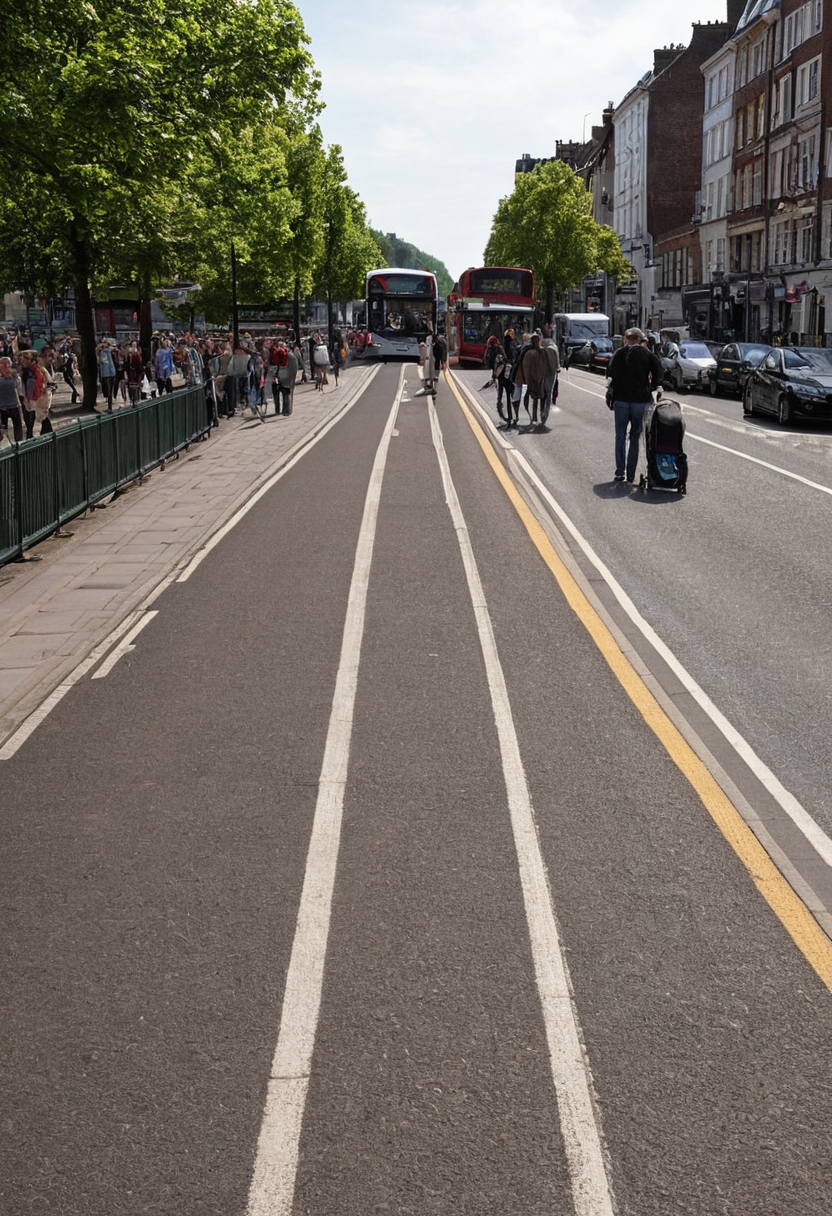
A hop-on hop-off pass typically costs $40 to $60 for a 24-hour ticket, while a guided walking tour runs $25 to $45 for a fixed two-hour block. To compare value, divide the ticket price by the hours you actively spend looking at landmarks, not sitting on the bus or waiting at a corner.
Which format costs less per hour of actual sightseeing.
At first glance, the bus pass wins because it covers more ground. But it only wins if your legs keep moving between stops. A traveler who rides three full loops and steps off twice pays fifty dollars for six hours of transit and forty minutes of looking at architecture. That is over a dollar a minute for the privilege of sitting down. A thirty-dollar walking tour that keeps a group inside a historic district for two continuous hours drops the cost to twenty-five cents a minute. The math punishes the passenger who treats a bus ticket like a theater seat.
Consider a fifty-dollar pass in a city with a two-hour loop and ten stops. You board at nine in the morning. You get off at stop three, walk the plaza for forty minutes, and catch the next bus. You repeat this at stops five, seven, and nine. By five in the afternoon, you have spent roughly three hours actually standing at landmarks. Your cost is about seventeen dollars per hour of sightseeing. The walking tour at thirty-five dollars for two hours remains cheaper at eighteen dollars per hour, but the bus gives you geographic range the walking guide cannot match.
The bus pass pulls ahead financially when you stretch it across a full operating day. Early boarding at the first departure and late returns from distant neighborhoods push your usable hours up. Six hours of active exploration on a fifty-dollar ticket drops the rate below nine dollars an hour. No guided walking tour matches that ceiling, because scheduled walks cap out around two to three hours before the group fatigues.
Solo travelers feel this difference most. A single walking tour ticket buys two hours. A single bus pass buys the whole map. Families, however, multiply that bus fare by every adult and child ticket, which often makes a private or small-group walking tour the lower total spend. We saw this exact trade-off when planning a family day around a historic district walk, where a single guide covered the group faster than four separate bus fares and multiple boarding delays.
Museum add-ons demand a different calculation. A bundled ticket might include general admission to a history center or gallery. Before you buy the bundle, check what the museum actually holds. Institutions managing sensitive collections follow strict preservation guidance, documentation guidance, and access and use guidance outlined by authorities such as the National Park Service Museum Handbook. Those conservation rules sometimes limit how many rooms are open or how close you can get to an exhibit. Paying a premium for museum entry through a bus combo only works if the galleries you want to see are currently accessible to the public.
Accessibility inside those bundled venues also matters. If your route includes a meal at a partner restaurant or time at a visitor center table, the physical space needs to accommodate everyone in your party. The 2010 ADA Standards for Accessible Design set accessible dining and work surfaces at 28 to 34 inches above the finish floor. A combo ticket loses its value fast if the included venue lacks seating that fits a wheelchair user comfortably.
Walking tours rarely offer these bundles. Guides focus on streets, squares, and building exteriors. The price stays flat because the overhead stays low. You pay for the narrative, not the admission desk.
Once you know which ticket structure fits your budget, the next problem is geography. Price per hour means nothing if the route ignores the neighborhood you actually want to see. How do you map a one-day route using a bus pass versus a walking tour so the money translates into the right streets?
How do you map a one-day route using a bus pass versus a walking tour?
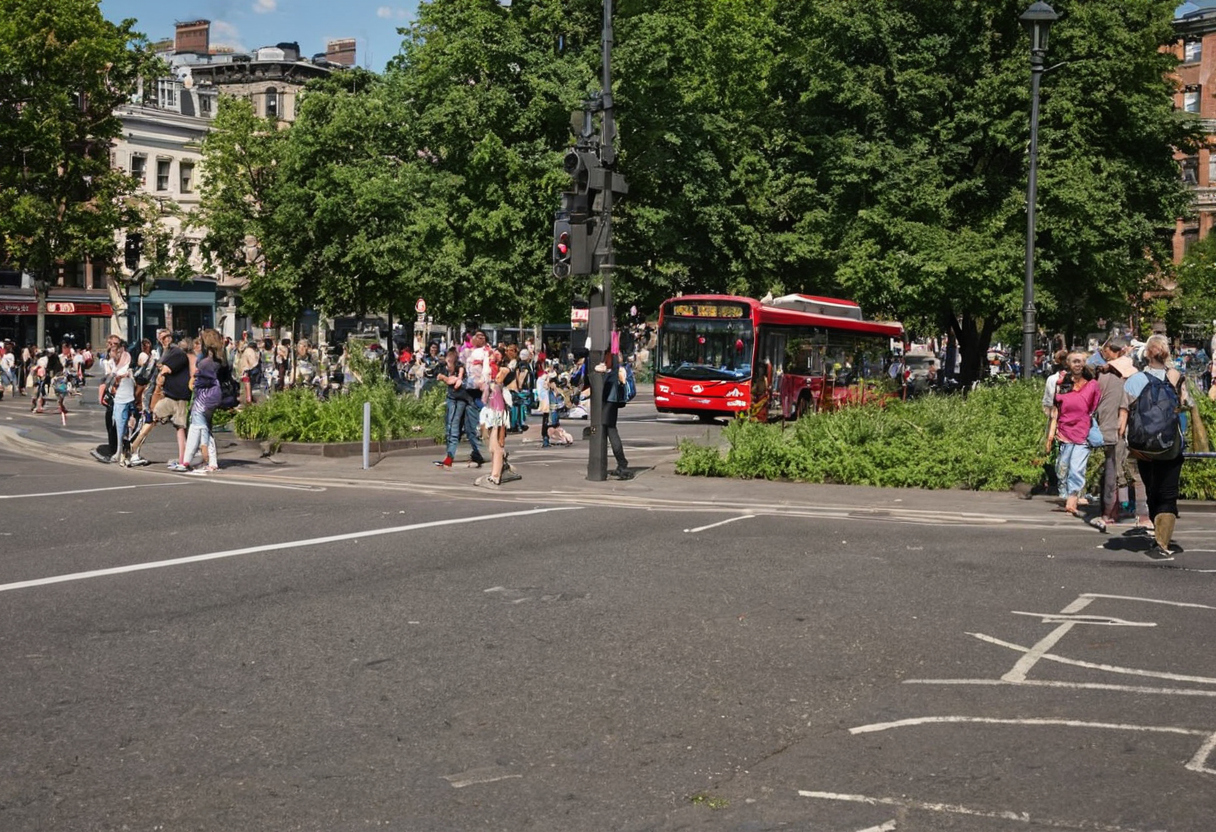
A bus pass lets you string together distant landmarks across a city in a single day, trading depth for geographic range. A walking tour locks you into one district but eliminates transit decisions entirely. For a 24-hour trip plan, choose the bus if your must-see list spans multiple neighborhoods.
The obvious mistake is treating these two formats as interchangeable sightseeing options. They solve different routing problems. A hop-on hop-off loop in New York or Chicago covers ten to fifteen miles of streets. A guided walking tour covers one to two miles inside a single historic quarter. Mapping your day requires matching the format to the distance between your targets. If your list includes the Art Institute of Chicago and the Lincoln Park Zoo, the Red Route connects them. If your list focuses only on the Loop architecture, a walking tour handles that ground faster than waiting for the next bus.
How do you map a one-day route using a bus pass versus a walking tour.
Book the walking tour for the morning. Finish by noon. Walk to the nearest bus stop on the operator’s published route map. Board the afternoon loop with the remaining daylight hours. This sequence works because walking tours demand attention and energy early in the day, while the bus pass lets you set your pace after lunch. You sit on the top deck between stops. You step off at a museum or monument when your legs need a break from pavement.
Put the high-effort activity in your peak energy hours and save the less demanding ride for the afternoon. Run the bus loop first, then squeeze a walking tour into late afternoon, and you often risk missing the last departure or dragging tired feet through a historic district. Stacking a morning walk with an afternoon ride keeps the pace sustainable.
Hotels near airports, convention centers, or outer residential neighborhoods change the calculation. If your lobby sits twenty minutes away from the nearest bus stop by public transit, a 24-hour bus pass loses value before you even board. You spend paid ticket time commuting to the route. In that scenario, booking a single walking tour with a central meeting point puts your sightseeing budget toward time spent looking at landmarks rather than riding a train to reach them.
Check the operator’s route map against your hotel address before buying any pass. Count the blocks. If the nearest stop requires a transfer on local transit, the bus pass needs to cover significantly more ground to justify the commute. Anchor the entire day to the format closest to your front door.
Distance and schedule determine the route, but your knees and stamina determine whether you can actually finish it. Before you lock in the map, consider which physical limits should shape your choice between a bus and a walking tour.
What physical limits should dictate your choice between a bus and a walking tour?
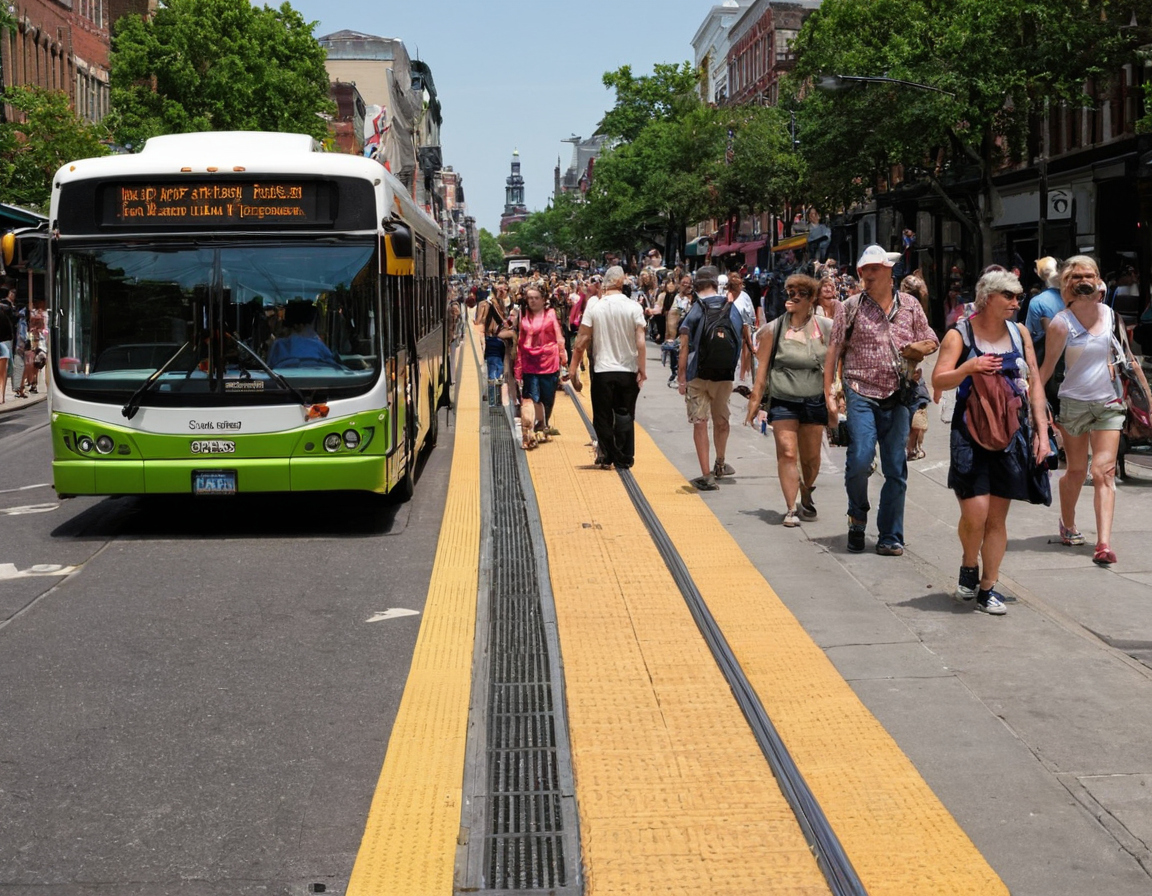
Hop-on hop-off buses require climbing steep stairs to the top deck and standing at curbside stops. Walking tours demand continuous movement over uneven sidewalks for miles. If mobility issues, extreme heat, or heavy luggage are factors, the seated portions of the bus route reduce physical strain significantly.
A two-hour guided walking tour covers one to two miles. That translates to roughly 3,000 to 4,500 steps on cobblestones, brick paths, and concrete. A passenger with knee pain or a recent injury will feel every block. The double-decker bus eliminates that distance. You sit. The city moves past you.
Wheelchair users face a specific measurement problem. The 2010 ADA Standards specify a 30 by 48 inch clear floor space for wheelchair positioning (U.S. Department of Justice, 2010 ADA Standards). Lower decks on major operators like Big Bus and City Sightseeing typically include a ramp or lift and a designated bay meeting that footprint. The open-air top deck does not. Verify the boarding policy on the operator listing before buying a pass.
Summer heat in cities like Charleston, New Orleans, or Chicago changes the math fast. Ninety-degree afternoons turn an exposed walking tour into an endurance test. An air-conditioned lower deck offers relief. An open top deck offers sun exposure identical to the sidewalk. Check the forecast. Match the format to the temperature.
What physical limits should dictate your choice between a bus and a walking tour.
Use this risk checklist to pick the right format for your body today:
Your legs, lungs, and luggage dictate the format more than the brochure does. Once your physical baseline sets the boundary, the final question is whether paying for a dedicated sightseeing vehicle beats riding the local transit system you already walk past every morning.
Are hop-on hop-off tours worth it compared to public transit for near me sightseeing?
For a visitor with exactly one day, a hop-on hop-off pass removes the need to learn local subway maps or bus schedules. Public transit is cheaper but costs you planning time and navigation effort. The premium buys a pre-drawn route connecting major sights without transfers or fare calculations.
| Factor | Hop-on hop-off pass | Public transit day pass |
|---|---|---|
| Ticket price range | $45 to $70+ | $5 to $15 |
| Route planning required | None; fixed loop | Map study and app checks |
| Point-to-point speed | Slower; scenic detours | Faster; direct lines |
| Narration or context | Included via audio guide | None |
For more on this topic, see other guides on this site.